
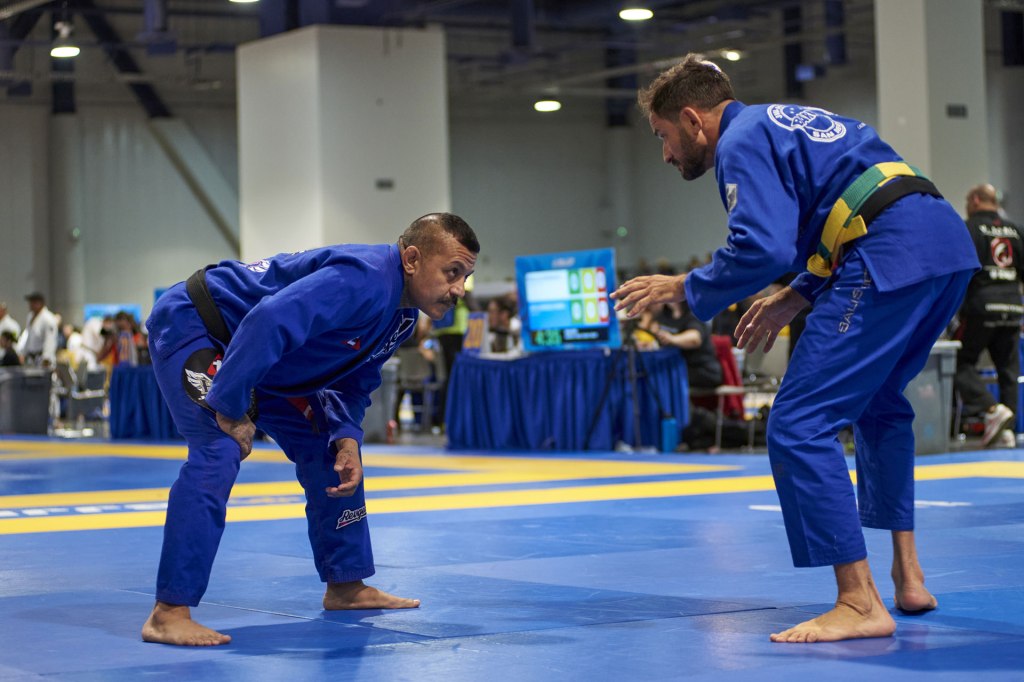
A Comprehensive Guide to IBJJF Rules for Brazilian Jiu-Jitsu Competition
Brazilian Jiu-Jitsu (BJJ) has gained immense popularity worldwide, thanks to its effective grappling techniques and emphasis on leverage and technique over brute strength. For practitioners looking to test their skills in a competitive environment, the International Brazilian Jiu-Jitsu Federation (IBJJF) provides a standardized set of rules and regulations governing competitions. Understanding these rules is crucial for anyone intending to compete in IBJJF-sanctioned events. In this comprehensive guide, we will delve into all aspects of IBJJF rules, including equipment regulations, global differences, and essential considerations for newcomers to the sport.
Equipment and Clothing Regulations
Gi (Kimono)
The Gi, a traditional uniform worn in Brazilian Jiu-Jitsu, is central to IBJJF competitions. Here are the key regulations regarding Gis:
- Material: The Gi must be made of cotton or a cotton-like material and should be in good condition, without tears or excessive wear.
- Color: Gis can be white, blue, or black. No other colors are allowed.
- Fit: The Gi should fit well and not be excessively baggy or tight. Sleeves should reach no more than 5 cm (2 inches) from the wrist.
- Patches: Patches are allowed but must adhere to specific size and placement regulations outlined by the IBJJF.
- Belt: Competitors must wear a belt that corresponds to their rank, securely tied around the waist.
- Pants: Gi pants must reach no more than 5 cm (2 inches) above the ankle and should not be excessively baggy or tight.
No-Gi
In No-Gi competitions, practitioners wear attire similar to compression shorts or spats and a rash guard. Here are the key regulations:
- Rash Guard/Compression Shirt: Must be made of a non-abrasive material and be form-fitting without pockets or zippers.
- Shorts/Spats: Should be made of a durable material with no pockets or abrasive elements. Must be form-fitting and reach at least halfway down the thigh.
- No-Gi Specific Attire: Competitors should avoid wearing any clothing or accessories that could pose a danger to themselves or their opponents, such as zippers, buttons, or pockets.
Rules and Regulations
Scoring
In IBJJF competitions, matches are scored based on a points system. Points are awarded for various actions, including takedowns, sweeps, passes, and positional control. Here’s a breakdown of the scoring system:
- Takedown: 2 points
- Sweep: 2 points
- Pass: 3 points
- Knee on Belly: 2 points
- Mount: 4 points
- Back Control with Hooks: 4 points
Submissions
While submissions are the ultimate goal in BJJ, not all submissions are allowed in IBJJF competitions. The following submissions are prohibited:
- Heel Hooks
- Toe Holds
- Wrist Locks (below brown belt level)
- Bicep Slicers
- Cervical Locks
- Straight Ankle Locks (below brown belt level)
Time Limits
Matches in IBJJF competitions typically have a set time limit based on belt level and age category. Common time limits are:
- Adults: 6 minutes (white and blue belts), 7 minutes (purple belts), 8 minutes (brown and black belts)
- Masters (age 30+): 5-6 minutes depending on belt level
- Juveniles: 4-5 minutes depending on belt level
Penalties
Penalties, known as “advantages” in IBJJF competition, are awarded for near-submissions or advantageous positions. Accumulating penalties can impact the outcome of the match. Common penalties include:
- Stalling
- Passivity
- Fleeing the Mat Area
- Illegal Grips
- Knee Reaping
- Locking Fingers or Toes in the Gi
Global Differences
While IBJJF rules serve as a standardized framework for competition, there may be slight variations or additional regulations implemented by regional federations or tournament organizers. For example, some competitions may allow certain submissions or have different time limits. It’s essential for competitors to familiarize themselves with any specific rules or regulations for the event they are participating in.
Considerations for New Starters
For newcomers to Brazilian Jiu-Jitsu competition, understanding and adapting to the rules and regulations can be a daunting task. Here are some essential considerations:
- Study the Rules: Take the time to thoroughly read and understand the IBJJF rulebook. Knowing the rules will help you avoid penalties and make strategic decisions during matches.
- Focus on Fundamentals: Mastering the fundamental techniques of BJJ, such as guard passing, sweeps, and escapes, will serve you well in competition.
- Get Comfortable Competing: Competing regularly, even at local tournaments, will help you gain experience and confidence on the mats.
- Stay Calm Under Pressure: Competition can be intense, but learning to stay calm and focused during matches is crucial for success.
- Respect the Rules and Opponents: Always compete with integrity and respect for your opponents, referees, and the rules of the sport.
In conclusion, understanding the rules and regulations of IBJJF competition is essential for anyone looking to test their skills on the mats. By adhering to equipment regulations, familiarizing yourself with scoring and penalties, and staying informed about any regional differences, you can compete confidently and enjoyably in the world of Brazilian Jiu-Jitsu.
Whether you’re a seasoned competitor or a newcomer to the sport, the principles of respect, discipline, and sportsmanship are paramount in Brazilian Jiu-Jitsu competition, reflecting the true spirit of martial arts.
 Tyne Valley Martial Arts
Leave a comment