
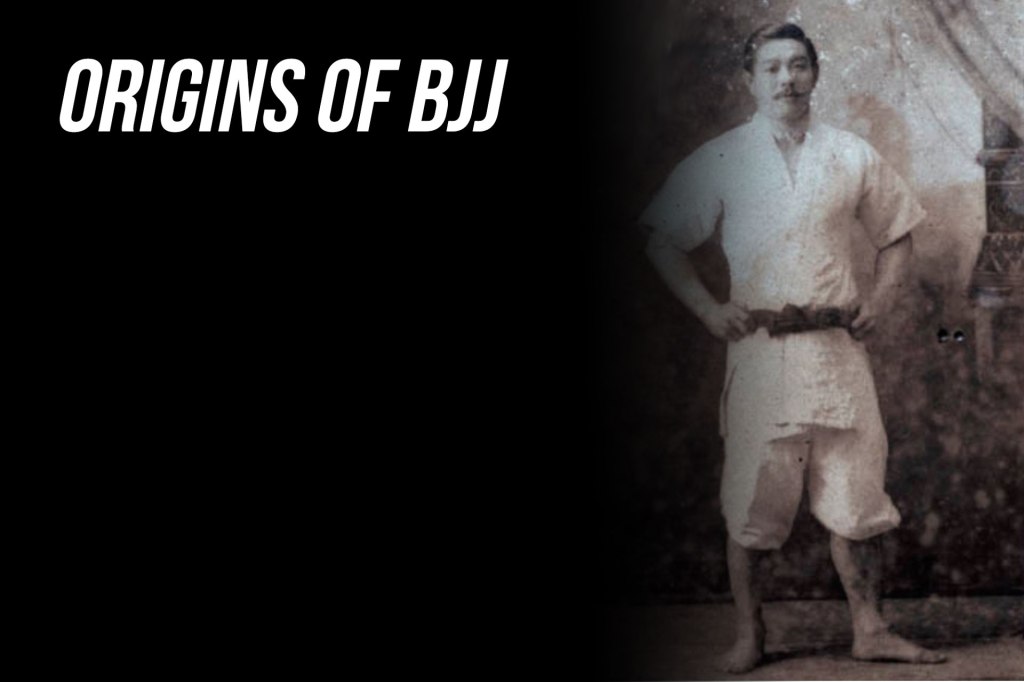
Brazilian Jiu Jitsu (BJJ) stands as a testament to the power of adaptation and innovation within the realm of martial arts. Born from the ancient techniques of Japanese Jiu Jitsu, BJJ has undergone a remarkable evolution, shaped by key figures, such as Carlos, Robson, and Helio Gracie, and marked by groundbreaking techniques like the Spider guard and the Gordo half guard. As we delve into the rich history of Brazilian Jiu Jitsu, we uncover its origins, pivotal moments, and the emergence of organizations like the International Brazilian Jiu Jitsu Federation (IBJJF), which continue to propel its legacy forward.
Origins of Brazilian Jiu Jitsu:
The roots of Brazilian Jiu Jitsu trace back to the distant shores of Japan, where ancient warriors honed their combat skills in the art of Jiu Jitsu. However, it was in the bustling streets of Brazil that Jiu Jitsu would find a new home and undergo a transformative journey. In the early 20th century, Mitsuyo Maeda, a skilled Japanese Judoka, ventured to Brazil, where he befriended Gastão Gracie. In gratitude for his hospitality, Maeda shared his knowledge of Jiu Jitsu with Gastão’s son, Carlos Gracie. Thus, the seeds of Brazilian Jiu Jitsu were sown, setting the stage for its remarkable expansion.
Key Figures: Carlos, Robson, and Helio Gracie:
Carlos Gracie, the eldest son of Gastão Gracie, played a pivotal role in popularizing and refining Brazilian Jiu Jitsu. Alongside his brothers, including Helio Gracie, Carlos founded the first Jiu Jitsu academy in Brazil, where they introduced innovative techniques and principles that emphasized leverage and technique over brute strength. Helio Gracie, in particular, made significant contributions to BJJ, developing his own style to accommodate his smaller stature and physical limitations. His mastery of leverage and control revolutionized the art, earning him legendary status within the BJJ community.
The Gordo King of Half Guard:
In the annals of BJJ history, Roberto “Gordo” Correa stands out as a pioneering figure, known for his mastery of the half guard position. Dubbed the “King of Half Guard,” Gordo’s innovative approach to this defensive position transformed it into a formidable offensive weapon. His contributions to BJJ not only expanded the arsenal of techniques available to practitioners but also underscored the art’s ever-evolving nature.
The Emergence of Spider Guard and Tinguinha:
Another revolutionary development in BJJ came with the introduction of the Spider guard, a highly effective form of open guard characterized by controlling an opponent’s sleeves with both feet. This innovative technique was pioneered by Tinguinha (Mauricio Mariano), a renowned BJJ practitioner and instructor. Tinguinha’s mastery of the Spider guard not only revolutionized the sport but also inspired countless practitioners to explore new avenues of technique and strategy.
The IBJJF and Its Role in BJJ:
The International Brazilian Jiu Jitsu Federation (IBJJF) emerged as a driving force behind the global growth and standardization of BJJ. Founded in 1994 by Carlos Gracie Jr. and Blanka Gracie, the IBJJF organizes prestigious tournaments, such as the World Jiu Jitsu Championship (commonly known as Mundials), that attract competitors from around the world. Furthermore, the IBJJF establishes rules and regulations to ensure fairness and integrity in competition, helping to elevate BJJ to the global stage.
In conclusion, Brazilian Jiu Jitsu stands as a testament to the power of adaptation and innovation, continually evolving through the contributions of visionary practitioners like the Gracie family, Roberto “Gordo” Correa, and Tinguinha. From its humble origins to its current prominence on the world stage, BJJ embodies the enduring spirit of martial arts, fostering not only physical prowess but also mental discipline and camaraderie among its practitioners. As the legacy of BJJ continues to unfold, its impact on the world of martial arts remains profound and enduring.

 Tyne Valley Martial Arts
Leave a comment